Revamp Rides: Ace Auto Paint Strip Tips!
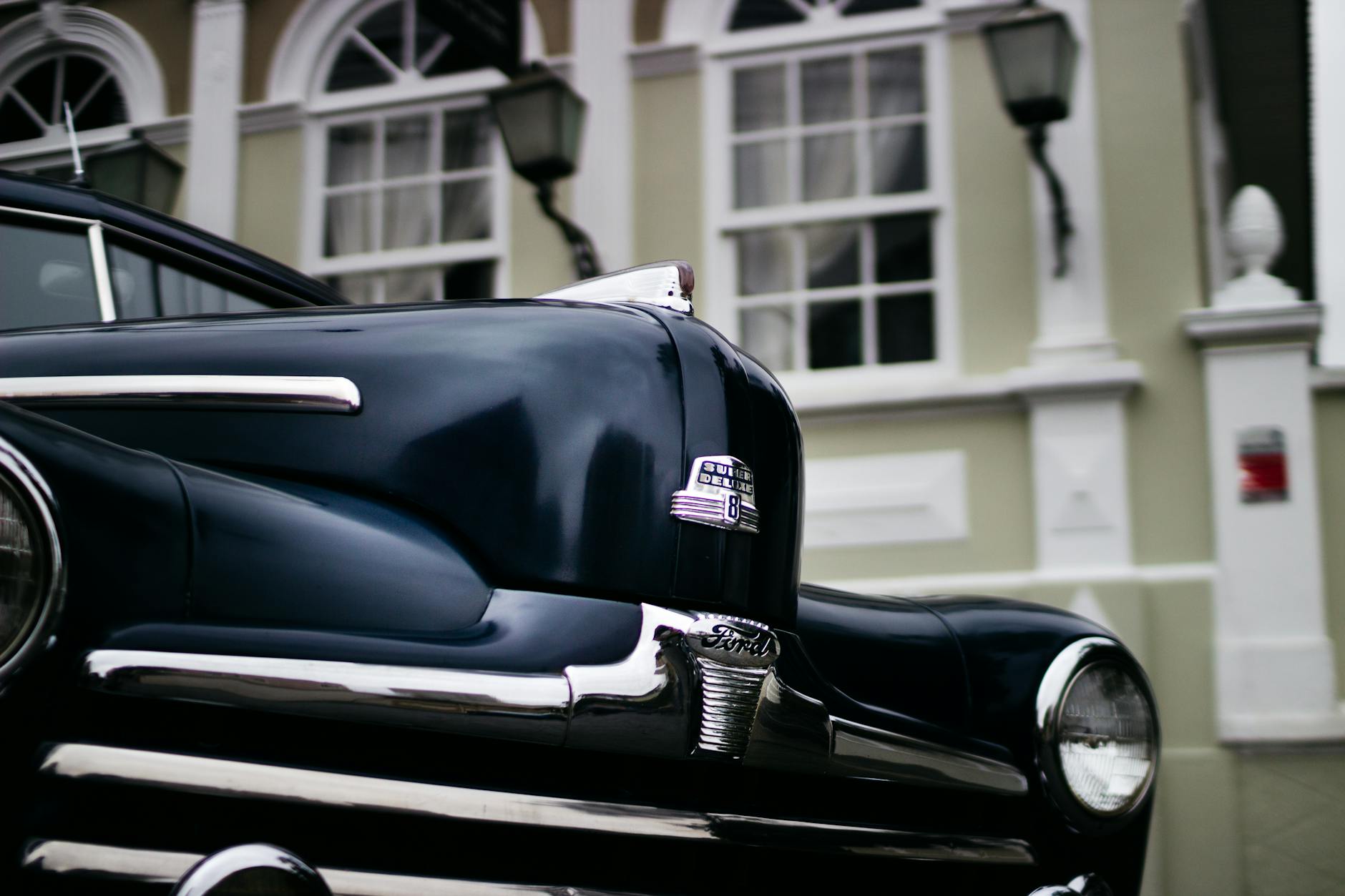
Are you looking to give your car a fresh new look? Stripping old auto paint is a critical first step in the process. A successful paint job is all about preparation, and that includes ensuring a clean, smooth surface on which to lay down the new coat of paint.
In this guide, we will dive into expert tips for effortlessly stripping auto paint, setting you up for a smooth revamp of your ride. So grab your gear, and let’s get to stripping!
Safety First: Gear Up!
Before you start, safety should be your number one priority. Paint stripping involves chemicals and tools that can be harmful if not handled properly.
-
Wear protective gear: This includes goggles, gloves, and a respirator to avoid inhaling fumes or particles.
-
Work in a well-ventilated area: Whether it’s a garage with doors open or outside, fresh air circulation is key.
-
Keep a fire extinguisher nearby: Some paint strippers are flammable; being prepared for any incidents is crucial.
Choosing the Right Paint Stripper
Selecting the appropriate paint stripper can make all the difference in your project's success. You have several options:
-
Chemical strippers: These are available in gel, liquid, or aerosol form. They effectively dissolve the paint, making it easy to wipe away or scrape off.
-
Heat guns: Heat guns can soften the paint without chemicals, but you’ll need a scraper to remove the paint as it bubbles.
-
Sanding: Mechanical sanding can be effective for paint removal, but it is labor-intensive and can damage the bodywork if not done correctly.
Step by Step: Stripping Your Auto Paint
Step 1: Cleaning the Surface
Clean the vehicle thoroughly to remove any dirt, grease, and surface contaminants that could interfere with the stripping process.
-
Wash your car with a degreaser.
-
Dry the vehicle completely before proceeding to the next step.
Step 2: Applying the Paint Stripper
Follow the manufacturer's instructions carefully when applying the paint stripper.
-
Apply an even layer of paint stripper over the area you want to strip.
-
Wait for the recommended time for the product to penetrate and lift the paint.
Step 3: Removing the Paint
Once the paint starts to bubble, it’s time to remove it.
-
For chemical strippers, use a plastic scraper to avoid damaging the metal.
-
For heat gun methods, gently scrape the paint away as it bubbles.
Step 4: Neutralizing and Cleaning
After stripping the paint, you need to neutralize any remaining stripper.
-
Use a recommended neutralizer or clean water to wash the surface.
-
Wipe the surface down with a clean cloth.
Step 5: Sanding
Sanding creates a smooth base for the new paint.
-
Start with coarse-grit sandpaper and work up to finer grits.
-
Sand the entire area evenly to avoid uneven surfaces.
Step 6: Final Preparations
Before painting, you need to prep the surface one last time.
-
Remove all dust with a tack cloth.
-
Apply a coat of primer designed for automotive use.
-
Allow the primer to cure as per the instructions.
Pro Tips for a Flawless Finish
-
Take your time: Rushing the paint stripping process can lead to a less-than-ideal finish.
-
Test the product: Always test the paint stripper on a small area first to ensure it doesn’t damage the metal.
-
Cover areas you don’t want to be stripped: Use tape and plastic sheeting to protect areas from accidental stripping.
Conclusion
Stripping auto paint is an essential step in revamping your vehicle’s exterior. By following these expert tips and taking the proper safety precautions, you can ensure a clean and even surface, ready for a fresh coat of paint. Get ready to enjoy the satisfaction of a job well done and the thrill of driving your newly revitalized ride!